ICOM IC-A25N Handheld NAV/COM Transceiver w/ Bluetooth – Open Box: Versatile Cockpit and Ground Communication
ICOM IC-A25N Handheld NAV/COM Transceiver w/ Bluetooth – Open Box: Versatile Cockpit and Ground Communication
Blog Article
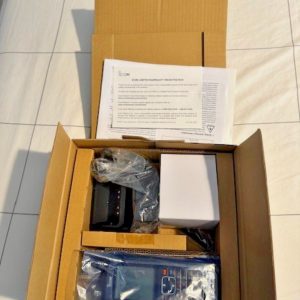
:::writingvariant="document" id="58314" ICOM IC-A25N Handheld NAV/COM Transceiver w/ Bluetooth – Open Box: Advanced Pilot Communication The ICOM IC-A25N Handheld NAV/COM Transceiver w/ Bluetooth – Open Box is designed for aviation users seeking a capable portable radio that can support communication and navigation-related operations. An open-box ICOM transceiver can be attractive to buyers who want dependable features while reducing the cost of purchasing professional aviation equipment. A dependable ICOM IC-A25N Handheld NAV can become an important part of a pilot’s flight bag by providing portable communication capability whenever installed aircraft equipment is unavailable. A capable ICOM IC-A25N Aviation Radio can provide additional confidence during flights, training activities, maintenance events, and ground operations. A portable ICOM IC-A25N Handheld Radio supports flexible aviation operations because it can remain with the pilot rather than being permanently installed in one aircraft. A capable Handheld NAV/COM Aviation Transceiver provides pilots with an integrated solution that can be stored conveniently and accessed quickly. Whether a buyer is sourcing a Handheld Aviation Radio, Aviation NAV/COM Radio, Pilot Handheld Radio, or Aircraft Communication Radio, actual operating needs should guide the selection. The product can support pilots seeking a Portable Aviation Transceiver, Aviation Navigation Radio, ICOM Pilot Radio, or dependable Backup Aircraft Radio.
Key Benefits of the ICOM IC-A25N Transceiver
The ICOM IC-A25N is designed to provide aviation communication and navigation-related functionality in a portable enclosure suitable for cockpit, ramp, hangar, training, and emergency use. Its practical value comes from combining mobility, recognizable controls, aviation-focused operation, rechargeable power, and multiple communication or navigation functions. Users should understand that portable-radio coverage can differ from panel-mounted equipment connected to an external aircraft antenna. Familiarity transforms a portable radio from stored equipment into a practical and dependable operational resource.Benefits of the ICOM IC-A25N Handheld NAV
A handheld NAV radio can be valuable to flight instructors who demonstrate aviation communication and navigation concepts during training. Students may practice menu navigation, frequency entry, memory organization, display interpretation, and accessory setup in a controlled read more setting. Aviation navigation requires situational awareness, planning, current data, and understanding of aircraft and airspace requirements. A complete preflight review can confirm that the radio is charged, configured, accessible, and ready to support the planned operation.ICOM IC-A25N Aviation Radio Applications
Aviation professionals can carry the IC-A25N when moving between aircraft instead of depending entirely on equipment installed in one cockpit. Pilots attending fly-ins or traveling through unfamiliar airports may appreciate having portable access to communication frequencies. Buyers should consider the radio’s physical condition, battery age, charging equipment, antenna, clips, headset accessories, manuals, packaging, and evidence of proper operation. An independent review may provide additional confidence when the radio cannot be examined in person.ICOM IC-A25N Handheld Radio Portability
The IC-A25N provides flexibility for aviation users who need one communication device across multiple locations and operational roles. Battery contacts, charging ports, headset connections, controls, and the display should remain free from dirt, loose objects, and contamination. Preflight preparation may include charging, accessory inspection, Bluetooth pairing, memory review, antenna attachment, and volume adjustment. Proper storage temperature and periodic charging can help preserve long-term battery and equipment performance.Handheld NAV/COM Aviation Transceiver Applications
A Handheld NAV/COM Aviation Transceiver combines portable communication and navigation-related capability within one device, making it useful for pilots who value multifunction equipment. An open-box package may represent strong value when it includes the equipment required for immediate setup and normal use. Users should keep the operating guide accessible until they can manage essential functions without hesitation. Regular care supports reliable operation, protects resale value, and reduces the risk of missing components.Choosing a Handheld Aviation Radio
Portable radio access can improve operational flexibility when users move frequently between aircraft and aviation environments. Regular practice and maintenance turn a handheld device into meaningful backup equipment rather than an unverified accessory. Users may experience improved range when the antenna has a clear position compared with operation deep inside a metal airframe or enclosed structure. Users should understand local procedures before transmitting from airports, airshows, training areas, or ground facilities.Using an Aviation NAV/COM Radio
The IC-A25N can be carried across different aircraft, allowing one pilot to maintain familiarity with the same handheld controls. The user should understand how to move efficiently between communication and navigation functions without becoming distracted. Users should distinguish between convenience features, backup capability, training value, and equipment required for a particular flight. Before departure, pilots should confirm that the radio is charged, correctly configured, securely stored, and easy to reach.Pilot Handheld Radio Applications
Flight instructors may value a handheld unit for monitoring, demonstration, backup, and coordination during ground or flight-training activities. A belt clip, protective case, organized side pocket, or approved mounting arrangement may help secure the radio during flight. Emergency equipment is more useful when essential controls can be operated confidently without lengthy manual review. The radio’s charging schedule should reflect how often it is used and how long it remains stored between flights.Aircraft Communication Radio Benefits
An Aircraft Communication Radio supports communication between pilots, air traffic services, other aircraft, flight instructors, and authorized ground personnel. Headset and Bluetooth accessories should be tested for microphone quality and audio clarity before operational use. Moving the radio or antenna within the cockpit may influence reception, but it must remain secure and clear of controls. The radio should be protected from impact, vibration, liquid exposure, extreme temperature, and damaged accessories.Portable Aviation Transceiver Advantages
A compact transceiver may remain available during electrical shutdowns, maintenance events, panel upgrades, or aircraft storage. A portable unit is easier to transport than installed avionics, but it also requires careful management of batteries, antennas, chargers, cables, and accessories. A wired backup arrangement may remain useful when Bluetooth accessories lose charge, disconnect, or experience interference. Pilots should avoid troubleshooting complicated pairing issues during high-workload phases of flight.Choosing an Aviation Communication Device
The ideal device balances functionality with an interface the user understands and can operate confidently. Open-box equipment should be compared carefully with new and used alternatives because condition, warranty, packaging, and completeness may vary. Equipment logs can improve accountability when several instructors, pilots, or technicians share one transceiver. A well-managed Aviation Communication Device can support efficient and dependable operations across many aviation roles.Handheld Aircraft Radio Benefits
The radio’s portable form allows pilots to monitor or communicate without remaining seated at the aircraft instrument panel. Using the radio on the ground can preserve aircraft battery power and reduce the need to energize installed avionics solely for monitoring or coordination. The pilot should route headset cables or charging leads carefully and avoid creating loops that can snag controls or occupants. Consistent care helps a Handheld Aircraft Radio transition reliably between cockpit, hangar, ramp, and storage use.Maintaining an Aviation Navigation Radio
A combined navigation and communication unit can help pilots maintain familiarity with one device rather than carrying unrelated portable tools. A demonstration or careful manual review can help users understand displays, menus, stored information, and navigation-related controls. Navigation information should be cross-checked with current aviation references and suitable cockpit equipment for the planned operation. A radio that has not been used recently may require charging, configuration review, Bluetooth reconnection, and accessory inspection.Maintaining an ICOM Pilot Radio
The radio may also suit instructors, aircraft technicians, flight departments, and airport operations personnel who require portable communication equipment. A complete and well-documented package can be more valuable than a lower-priced unit missing essential equipment. The device should support the pilot’s normal workflow rather than requiring accessories or procedures that are inconvenient or incompatible. Once acquired, the radio should be labeled, documented, configured, charged, tested, and stored in an accessible location.Emergency Aviation Radio Benefits
An Emergency Aviation Radio can provide an additional communication option when installed aircraft equipment becomes unavailable because of electrical, equipment, or operational problems. The radio should be positioned where it can be reached without searching through baggage during an urgent situation. The pilot should know how to operate the radio directly if a paired headset or wireless accessory fails. The radio should be tested periodically without making unauthorized transmissions or interfering with operational frequencies.Maintaining a Backup Aircraft Radio
Backup equipment can be particularly valuable during cross-country operations, aircraft delivery, training, rental flying, or travel in older aircraft. A dependable backup radio is the result of consistent preparation rather than the assumption that unused equipment remains ready. The device should be placed where it can be retrieved quickly without interfering with flight controls or becoming a loose object. Backup planning should also consider how the aircraft will be flown, navigated, and managed while the pilot is using the portable radio.Buying an Open-Box ICOM IC-A25N
The display should illuminate correctly and remain free from major damage, unreadable sections, or unexplained visual problems. Missing accessories can increase final cost and may prevent the radio from being used as expected immediately after delivery. Functional testing should include power-on behavior, charging, control response, display operation, speaker audio, microphone function where appropriately tested, and accessory recognition. Shipment photographs can document package contents and physical condition before dispatch.Routine Care for a Handheld Aviation Radio
A professional handheld transceiver should be managed as aviation equipment rather than treated like an ordinary consumer radio. Reliable readiness comes from planned inspection, charging, practice, and responsible storage.- Inspect the radio body, display, antenna, battery, charger, controls, connectors, clips, cables, and included accessories before important operations.
- Review essential controls on the ground so the radio can be operated confidently without unnecessary cockpit distraction.
- Protect the equipment from extreme temperature, direct sunlight, moisture, fuel, oil, cleaning chemicals, heavy tools, and accidental impact.